
Бесплатный фрагмент - Success habits: secrets of change in 30 days

Chapter 1. Introduction: Life Without Automatic Scripts
Imagine for a moment: you wake up, perform your usual movements without thinking, and suddenly realize — you are repeating the same mistakes, making the same decisions, following the same patterns. Why is this happening? Why does life seem to present you with the same challenges, and you keep stepping on the same rake over and over? We live in a world of automatic scripts: habits, emotions, and reactions shape every step we take, most often remaining outside of our conscious awareness. We don’t notice why we get irritated, why we choose one path over another, or why our dreams and intentions collide with familiar inner barriers. But what if there’s a way to break free from this cycle? What if it’s possible to learn to notice, become aware of, and change those inner mechanisms that have been running your life until now? In this book, you will begin your journey toward a life without automatic scripts — a life where every choice is conscious, every emotion is under control, and habits serve you, rather than controlling you. There’s no magic here. What you’ll find is understanding, proven steps, and real tools that will help you break free from the repetitive spiral and build your life with your own hands.
Prepare yourself for the familiar to become new, and for life to truly become yours. And here’s the important part: this path doesn’t begin with external circumstances, but with an internal awakening. When we stop operating on autopilot, we first notice the thin line between habit and choice, between reaction and conscious action. Every moment becomes an opportunity: to say «yes» to your desires, «no» to automatic reactions, to create new things instead of repeating the old. You’ll realize that the world does not change for us — we change ourselves. And when we change, everything around us changes. Old fears and limitations lose their power, habits stop dictating our actions, and internal barriers that once seemed insurmountable become stepping stones to freedom. This book is an invitation to a conscious life, where every moment doesn’t just pass by, but is fully lived. Where every decision carries meaning, and every habit is a support. Where life no longer repeats old scripts but reveals new opportunities you never imagined.
Get ready: the familiar will become an insight, the everyday — an adventure, and life will become the art that you create yourself. Sometimes we live on autopilot: day after day, we repeat familiar actions without noticing what we are actually feeling and thinking. This exercise invites you to stop for 24 hours and gently look within — without hurry, without judgment, just with curiosity and care for yourself.
First Exercise: «24 Hours of Mindful Self-Observation»
Our practical goal is to transform awareness into change. Imagine that for one day, you become an invisible observer of your own life. Every glance, every movement, every thought and emotion becomes the subject of your careful study. Not to criticize or judge yourself, but to see yourself as you truly are, without filters or familiar scripts. Start with the morning moment. When you open your eyes, pause. Listen to your first breaths, pay attention to the sounds around you, feel the weight of your body on the bed. What rhythm beats in your hands and feet? What do you feel in your chest? Don’t rush — just observe. Next, focus on your usual actions: your cup of coffee, your morning shower, checking your phone — all these familiar movements that you once did automatically. Today, do them with full awareness. Notice what thoughts arise when you brush your teeth or choose your clothes. Pay attention to your emotions: irritation, impatience, the desire to do everything quickly. Write down these observations — not to judge, but as a map of your inner scripts.
Throughout the day, continue this practice. When you talk to colleagues or friends, listen to your words and the feelings behind them. When you make decisions, even the smallest ones, notice what drives them — habit, fear, desire, or a real need? Pay attention to moments when you act automatically, and those moments when you stop and make a conscious choice. At first, this might seem difficult: your mind will pull you back to habits, to «autopilot.» But these moments are the most valuable. They show where your inner scripts are still strong and where you are already beginning to take control of your life. By the end of 24 hours, you will have a complete picture of yourself — your habitual reactions, hidden emotions, inner programs that govern your behavior. But the most important part — you will begin to notice the possibility of change. Observation itself creates space for choice.
Take a notebook with you and jot down your observations in short notes. Try not to judge yourself, just write down what you see. In moments when it feels like you’ve «lost yourself in autopilot,» stop and take a deep breath. Ask yourself, «What do I feel? Why am I doing this action? Is this my choice or just a habit?» After 24 hours of mindful observation, you will take the first step toward true awareness. You will see that observing yourself already means managing yourself. Every moment of your day becomes a source of information, a tool, and an opportunity for real change. After this day of mindful observation, you will begin to notice yourself in a new way. Every action, every thought, and every feeling become noticeable, as if you are seeing a familiar landscape in a new light for the first time. You will understand which habits control you automatically and where you make a conscious choice. You will learn not to judge yourself, but simply to observe, accepting your emotions and reactions with kindness. A sense will arise that you are gently holding yourself, allowing yourself to live in the here and now. Gradually, the understanding comes: your life is not just flowing by — you can see it and guide it. Every moment becomes an opportunity to choose differently, to change what was previously unnoticed, and to create new habits and relationships with yourself. Ultimately, this day becomes a small but significant step toward a conscious, caring, and vibrant life, where you see yourself fully and accept yourself with warmth. The next task is related to the theme of «Causes and Effects in Action.» It is an exploration of how habits, beliefs, and emotions can create recurring patterns in your life. Most often, we don’t notice how the same beliefs or emotions lead us to similar situations, repeating old patterns of behavior. Practice: «Identify Three Recurring Patterns in Your Life.»
Table for Practice: «Identify Three Recurring Patterns in Your Life»
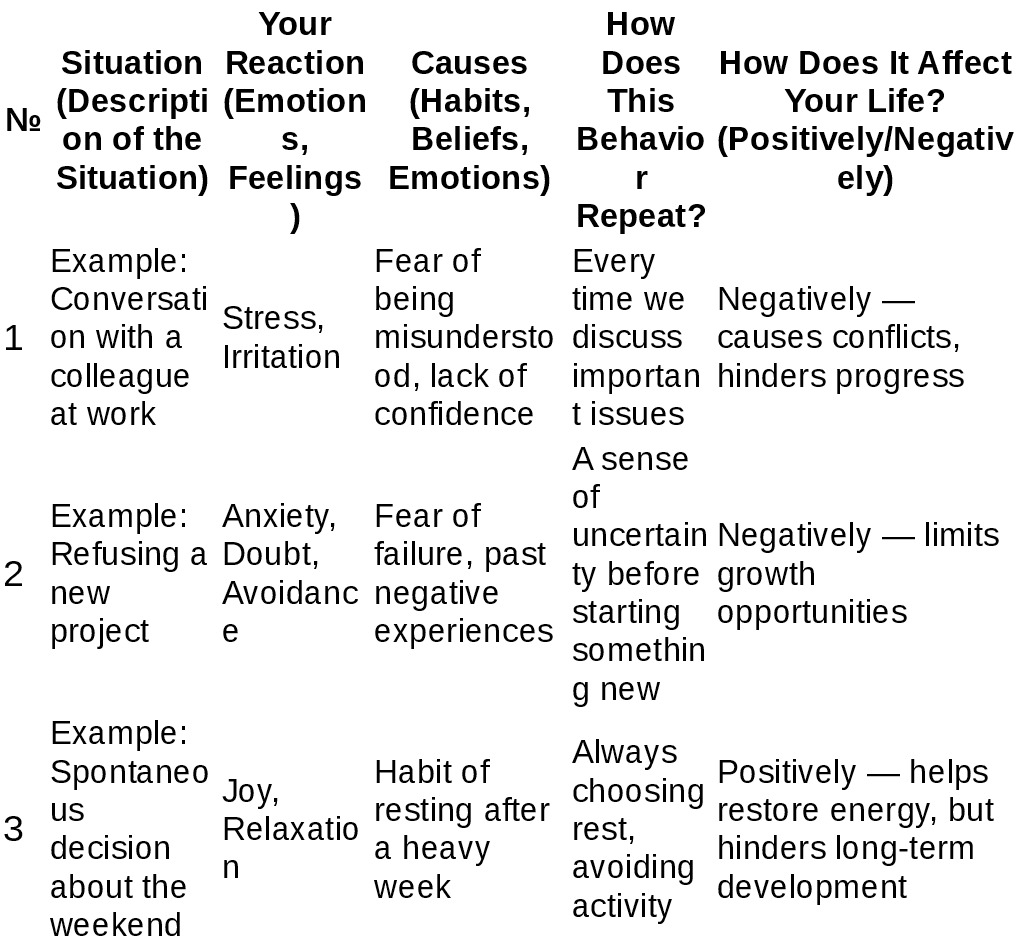
How to Work with the Table:
— Situation: Describe a specific situation that triggers a strong reaction in you (e.g., conflict with a colleague, a difficult conversation, or even a decision on how to spend the weekend).
— Your Reaction: Write down what feelings or emotions this situation causes in you (e.g., stress, joy, irritation, or calmness).
— Causes: Analyze what lies behind your reaction. It may be habits, beliefs, or emotions influencing your behavior (e.g., fear of judgment, lack of confidence, or past negative experiences).
— Look at how similar situations happen regularly in your life. For example, if you avoid difficult conversations every time because you fear being misunderstood, this becomes a recurring pattern.
— Describe how this pattern affects your life — does it help you or, on the contrary, limit you? Perhaps it is preventing you from moving forward or, conversely, protecting you from unpleasant consequences.
By identifying three such patterns, you will begin to realize how they operate in your life and what needs to be changed in order to make your behavior healthier and more productive. This will help you better understand which habits or beliefs need to be reconsidered to achieve harmony and growth. If you prefer to record your thoughts, you can use tables, journals, or checklists for this process. You can write down your observations and see how changes in habits or perceptions can influence everyday scenarios. This process of self-observation helps not only to understand how you react but also to take the first steps toward change. When you begin practicing mindfulness, it is important not to rush into making changes. Instead of trying to fix something immediately, first observe yourself. Before seeking answers, take time to understand what is happening within you. As psychotherapist Carl Rogers said, «A person who understands their problem is already halfway to the solution.» This awareness is the first step toward transformation.
Writing down your thoughts and feelings is another powerful tool. But it is important to do this without filters or judgment. Don’t try to justify or change your reactions, just record them as they are. This will allow you to view yourself from the outside, without excessive criticism. Understanding begins with acknowledging reality, not with trying to change it. When it comes to emotions, it is very important to learn to live through them, rather than suppress them. Emotions are not enemies, and they cannot be ignored. Sometimes, simply experiencing a moment allows us to discover unexpected insights. As Carolyn Myss wrote: «It is not the emotions we feel, but what we do with them, that determines who we become.»
Sometimes, it’s worth working with the deeper beliefs that may lie at the root of certain behavioral patterns. For example, if you notice that you often tell yourself, «I don’t deserve success,» this could be the very key that unlocks the door to transformation. Ask yourself: «Where does this belief come from?» Perhaps it originated in childhood or was imposed by society. Acknowledging such a belief is already a step toward changing it. An example could be the habit of avoiding difficult conversations. Let’s say, at work, you avoid conflict situations, fearing that you won’t be understood or judged. This leads to accumulated tension and dissatisfaction, and productivity suffers. In these moments, anxiety and stress arise. The cause of this behavior is the fear of rejection. Every time you face conflict, you avoid the conversation, which only worsens the situation. This negatively affects career growth and relationships with colleagues. How can you change this? Apply the «positive conflict» technique. Gradually practice expressing your thoughts with respect and without avoidance. Sometimes, it’s the open and honest conversations that become the bridges connecting us to solutions, not conflicts.
Another example could be the habit of procrastinating on important tasks. Perhaps you constantly put off tasks like reports or important assignments due to the fear of not doing them perfectly or doubts about your ability to handle them. When such a task appears, you procrastinate, which leads to an accumulation of work and immense pressure at the last moment. This creates feelings of guilt, stress, and reduces the quality of your work. How can you combat this? Try breaking the task down into smaller steps. Create a plan and get started. You’ll begin to notice that what seemed overwhelming at first is not so scary, and all tasks can be tackled step by step. Inspirational quotes can also help find the strength to change. For example, Carl Jung said: «The more we let go, the easier life becomes.» This reminds us that releasing old beliefs and patterns brings relief and freedom. Mahatma Gandhi, in turn, said: «To change the world, start with yourself.» And indeed, all changes in our behavior begin with an awareness of our habits and beliefs. «We cannot change what we are not aware of,» Carl Rogers stated. Therefore, awareness of our reactions and patterns is the most crucial step in the process of change.
To deepen the analysis, ask yourself questions during moments of recurring situations: «Why am I in this situation again?» or «What emotions does this trigger?» This will allow you to respond more consciously in the future. Try something new when you notice a recurring pattern. For example, if you avoid difficult conversations, try initiating at least one such conversation. You will be surprised at how positively the outcome can unfold. Don’t forget that support from other people can be very helpful. If it’s difficult for you to recognize or change your patterns, talk to friends or colleagues. Discussions with others help to see situations from a different perspective. So, if you want to rid yourself of old patterns, don’t expect instant changes. Start with awareness, observation, and acceptance. And you will see how, with each step, it becomes easier and easier to be mindful of yourself.
Part I. The Mechanics of Your Habits
Chapter 2. Recurring Patterns — Your Invisible Scripts
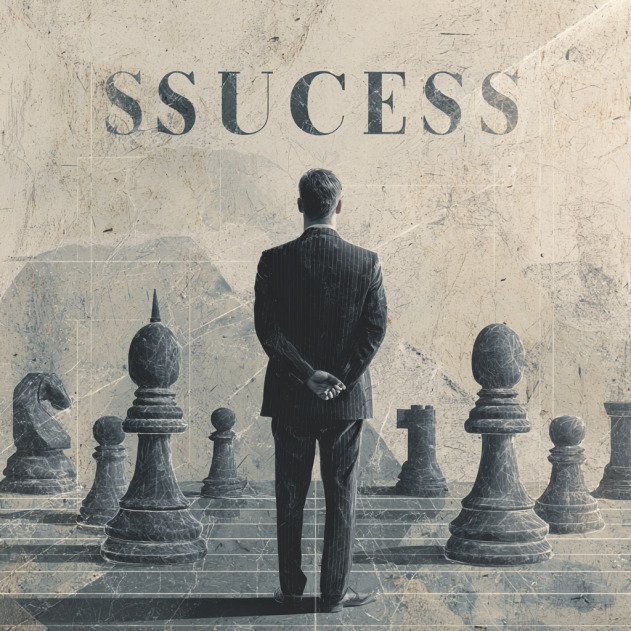
Life, if you look closely, resembles an old film projector. Day after day, scenes play before your eyes, and it seems like everything has already happened: the same streets, the same words, the same looks. Sometimes you laugh with the characters, sometimes you get angry, sometimes you cry, and it all seems to follow a score that someone wrote long before you even knew about it. You walk along familiar paths, not even noticing how deeply they’ve embedded into your feet. The morning ritual: coffee, a glance at your phone, clenching your teeth in traffic. The evening ritual: checking emails, irritation with a loved one, a quiet sense of fatigue. All of this repeats over and over, as if you’re an actor in a play, not the director.
These recurring events are not a coincidence. Habits, emotions, beliefs quietly whisper their script to you, creating invisible paths you walk along automatically. Sometimes they are sweet, like a soft path made of freshly mown grass, and sometimes sharp and harsh, like the stones under your feet that you trip over again and again. Imagine the moment when you first notice these invisible scripts. It’s as if someone has drawn back the curtain, and you see yourself from the outside. There — you, smiling at a passerby on the street; there — you, getting angry at a colleague; there — you, avoiding a difficult conversation, as though an invisible force is controlling your steps. And suddenly, you realize: it’s not a coincidence. These are your own patterns, habits, inner programs, learned over years, structured like invisible rails. And at that moment, an amazing feeling arises: you suddenly notice yourself in motion, understanding your repetitive actions, and the world around you seems to become clearer. Every emotion, every thought — it’s a key to your inner mechanics. You begin to see that these «scripts» are not a sentence, but a map. A map that you can follow step by step in a different way, creating new routes, new scenes, new habits.
And then life stops being just a movie that repeats day after day. It becomes something alive, moving, and you begin to feel that now you can not only observe, but also quietly, gently rewrite the plot. Sometimes it feels like we’re living in an old song with a repeating chorus. The same melody, the same words, the same emotions. The morning starts with the usual irritation — the alarm rings, and your heart tightens at the thought of the day ahead. You turn on your phone, scroll through the news, and somewhere deep inside, anxiety or the feeling that there’s not enough time arises again.
All of this — your inner scripts, invisible but powerful. They are formed over the years and become an invisible force that pushes you along certain paths. For example, have you noticed that every time you receive criticism at work, the same reaction happens inside you: irritation, justification, sometimes a desire to leave and do nothing? Or every time someone says, «Let’s meet,» you automatically think, «I’m tired, better decline,» even though you would actually like to spend time with that person? These scripts work quietly, like a habit — an invisible hand that moves you through life. And most people don’t even realize how many decisions they make automatically. You walk along a familiar path and think you’re choosing, but in reality, your life has long been written by the invisible rails of habits.
And then life stops being just a movie that repeats day after day. It becomes something alive, fluid, and you begin to feel that now you can not only observe, but also quietly and gently rewrite the plot. Sometimes it feels like we’re living in an old song with a repeating chorus. The same melody, the same words, the same emotions. The morning starts with the usual irritation — the alarm rings, and your heart tightens at the thought of the day ahead. You turn on your phone, scroll through the news, and somewhere deep inside, anxiety or the feeling that there’s not enough time arises again.
All of this — your inner scripts, invisible but powerful. They are formed over years and become an invisible force that pushes you along certain paths. For example, have you noticed that every time you receive criticism at work, the same reaction happens inside you: irritation, justification, sometimes a desire to walk away and do nothing? Or every time someone says, «Let’s meet,» you automatically think, «I’m tired, better decline,» even though you’d actually like to spend time with that person? These scripts work quietly, like a habit — an invisible hand that moves you through life. And most people don’t even realize how many decisions they make automatically. You walk along a familiar path and think you’re choosing, but in reality, your life has long been written by the invisible rails of habits.
But here’s the important part: when you begin to notice these repeating patterns, the world changes. Suddenly, you see your actions as if from above. There — you’re getting angry with a colleague again, there — you’re habitually putting off an important task, there — you’re automatically choosing comfort over growth. And at that moment, an amazing feeling arises: «I see myself. I know this is a habit, not a sentence.» And this is where the magic begins. Awareness turns into a little power: you begin to understand that these patterns can be changed. They won’t disappear on their own, but you can gently move them around like blocks in a game, creating new paths, new habits, new reactions.
Imagine that each pattern is an old corridor you walk down every day. One corridor leads to irritation, another to fatigue, a third to feelings of guilt. When you notice these corridors, you begin to see doors that were hidden before. And suddenly you realize: you can go into another room, open up new possibilities. The world of your habits is not your enemy, but a map. A map that shows where you walk automatically, where your reactions are programmed, and where there’s space for choice. And the more you observe, the clearer it becomes: a little awareness, a simple pause before action, already creates freedom. You notice how your days repeat, as if a compass is drawing the same circle. Morning, work, evening — and again, the same thing. And in this repetition, you can find amazing clues about yourself. For example, you suddenly realize that every time you come home, the fatigue feels heavier than usual. Or that every conversation with a certain person hits the same note of irritation or tension.
In that moment, you realize: these are your inner scripts. They quietly guide your steps, like invisible conductors who know the score of your life by heart. And the more carefully you look, the clearer you can see where autopilot starts, and where there’s room for free choice. One of those evenings, you might sit down with a cup of tea, close your eyes, and mentally rewind your day. Remember the morning: how you got up, what you felt, which words and thoughts repeated again and again. Remember the work: what situations triggered the same emotional response, which little habits directed your actions as if on their own. Remember the evening: where your attention went, what emotions accompanied every gesture.
And then comes the realization: three repeating patterns that become as noticeable as fireflies in the dark. For example, you see that every time stress arises, you seek distraction in your phone. Or that in moments of fatigue, you avoid conversations with loved ones, even though you actually want to be close. Or that every morning, before starting the day, you doubt yourself and postpone something important. Just observing these repeating patterns is already a practice. You don’t change anything with willpower; you simply notice how your life works. And in this observation, a quiet power appears — small, silent, but real. It tells you: «I see myself. I know my patterns. And I can take a step to live differently.»
The world of your habits becomes something tangible. You see it as an old map with paths and alleys. And now you have the chance to walk these paths in a new way, gently, without rushing, with curiosity. You begin to understand that even a small pause before action is a door to a new room in your life. And so, day by day, observing and noticing yourself, you learn to see repeating scenarios not as a sentence, but as clues. They show you where you are strong, where you are vulnerable, and where you can try a new path. This is the beginning of a conscious life: small steps, attention to yourself, gentle exploration of your habits and emotions. And then comes the morning of a new day. You open your eyes, and the world around you feels familiar, but now there’s a new detail — you are an observer. You notice how the sunlight falls on the floor, how the bed sheets rustle under your body, how your heart beats rhythmically, ready to meet the new day. You take your first breath and suddenly realize: today you will not just be a participant, but a mindful witness of your life.
At work or on the road, you catch yourself in automatic reactions. It seems like a small thing: the phone rings, someone says a sharp word, and you habitually tense up or get irritated. But now you see these reactions with a soft distance, as if watching someone else’s scene. And in this observation, there’s a chance for choice: not to immediately engage in the usual emotional game, but to simply notice: «Here it is, the habit is triggering again.» You notice that these repeating patterns are like quiet shadows that follow you throughout the day. Sometimes they’re funny: you surprise yourself, wondering why you keep doing the same thing. Sometimes they’re painful: you see where your old fears or habits prevent you from living easily. But in each case, there’s a chance — a chance to softly notice how your inner world works. And here’s the little miracle: when you start noticing the three main repeating scenarios in your life, they no longer hold the mystery of a hidden force. They become your friends and guides. For example, you see that every time fatigue weighs you down, you retreat into your phone — and now you can simply stop, breathe, and choose something else. Or that every morning, before tackling something important, the familiar doubt arises — now you can gently say to yourself: «I notice this pattern, but I can start differently.»
You realize that observation itself is already a small magic. It creates space where habits no longer secretly control you, and emotions and thoughts become tools for understanding. You learn to see not just what repeats, but also what can be changed if you wish. At the end of the day, you sit down, close your eyes, and reflect on your day. And now the familiar moments, which once seemed automatic, acquire meaning. Every irritation, every fatigue, every joy becomes a clue about how your inner world is structured. And in this gentle attentiveness to yourself, confidence arises: you see your patterns, you begin to understand your habits, and this understanding is the first step towards choosing a new path. And so, when the day comes to an end, you sit in a quiet corner, maybe with a cup of tea or coffee, and allow yourself to simply reflect: what repeated most often today? Which moments seemed to return again and again? You begin to catch three key patterns — not to judge yourself, but with gentle curiosity, like a researcher who’s discovering the map of an unexplored country for the first time. For example:
— Perhaps you notice that every time fatigue hits, you seek light entertainment instead of tackling something important.
— Or that every conversation with a certain person repeats an old reaction of irritation or anxiety.
— Or that in the morning, before starting the day, familiar doubt arises, stopping you on the usual path.
You write down these three patterns, not to fix or judge yourself, but to see them clearly. They become the map of your inner world, the paths you walk along habitually. And in this map, there’s space for choice: now you can softly notice the pattern, breathe, and try to walk a little differently. And even the process of observation itself is already a step towards freedom. You realize: habits have no power over you when you see them. Autopilot loses its grip when you become a mindful witness. And in this attention, the power of small changes arises, which, over time, turn into big ones. At the end of the day, you understand: knowing your repeating patterns is not about control or rigidity.
— Practical Exercises for Managing Habits and Controlling Repeating Patterns
To effectively control your habits and identify repeating behavioral patterns, it’s important to work on becoming aware of these patterns and changing them step by step. Here are a few practical exercises, checklists, and journals that can help in this process:
Habit Observation Journal (7 days) for Self-Control
Goal: Track daily habits and identify automatic patterns. For 7 days, write down all your habits, starting from the morning. For example, when you wake up — record what you do first (check your phone, drink water, check social media). It is important to record not only actions but also the feelings or thoughts you experience at that moment. This will help you understand which emotions influence your behavior.
Habit Checklist:
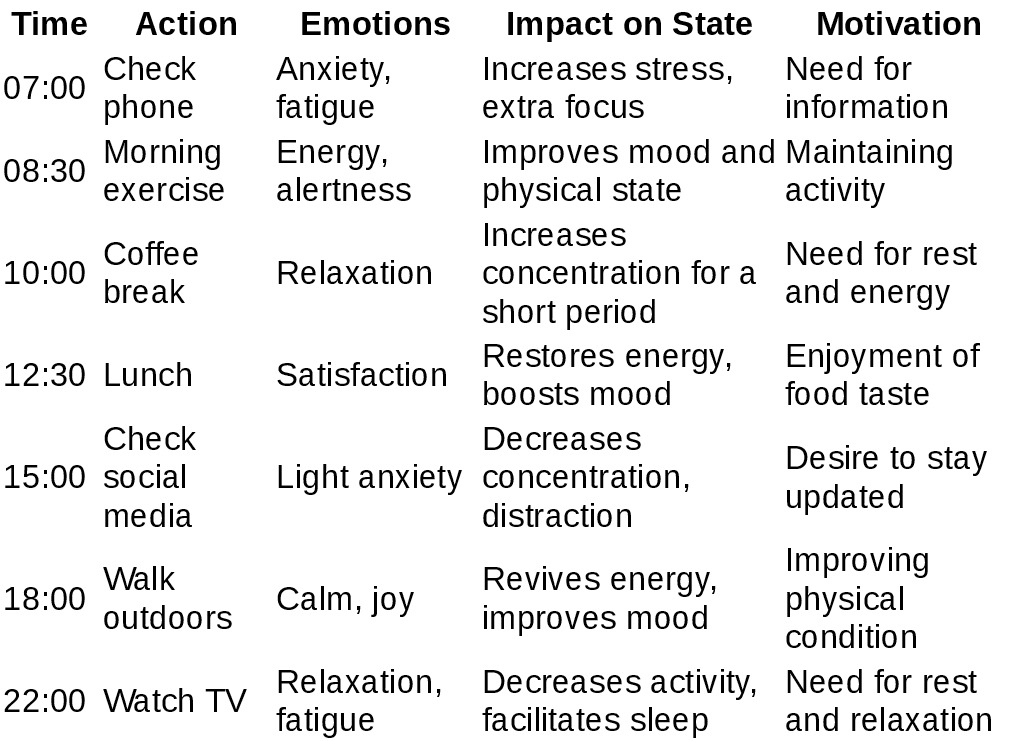
How to Use the Checklist:
— Time: Write down the time when the habit or action occurs.
— Action: What exactly are you doing at that time (e.g., checking phone, going for a walk)?
— Emotions: What emotions arise while performing the habit? It could be anxiety, joy, relaxation, etc.
— Impact on State: How does this habit affect your physical and mental state? Does it improve it or decrease your energy levels?
— Motivation: Why are you performing this habit? What feeling or outcome do you expect from the action?
Filling out this checklist for a week or a month will help you identify key behavior patterns and understand which habits have a positive effect and which ones negatively impact your state and productivity.
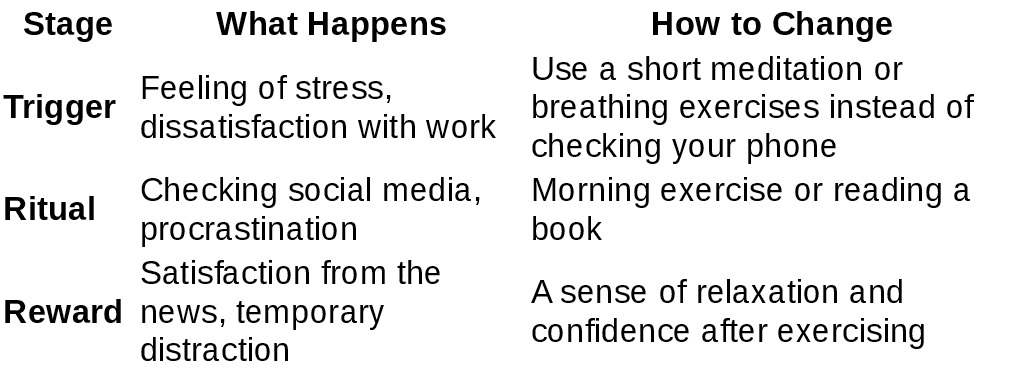
— The «3 R» Method — Trigger, Ritual, Reward
Our goal here is to understand and change habits by becoming aware of their structure.
Instructions: Break the habit down into 3 elements: Trigger, Ritual, and Reward. Then ask yourself what you can change at each stage to improve your habit.
Example:
The «5-Second» Technique
The goal of this technique is to overcome the desire to procrastinate and activate conscious action.
Instructions: When you notice that you are about to do a habit you want to change, start a timer for 5 seconds. In those 5 seconds, take the first step towards the action you want to take (for example, if you’re procrastinating on work, open the necessary file). After those 5 seconds, you will have entered the rhythm, and the habit won’t be able to hold you back.
Checklist:
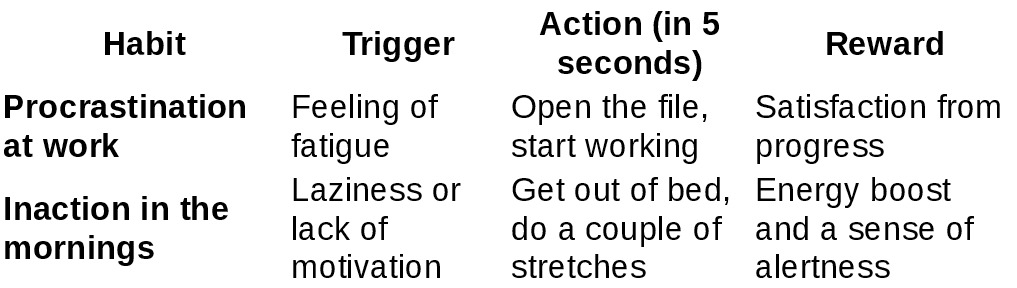
Checklist for Tracking Habit Progress
Instructions: Evaluate your habits every day using this checklist. This will help you understand where you’ve made improvements and where you still need to work.
Habit Tracking Checklist
Goal: Structure and control over habits
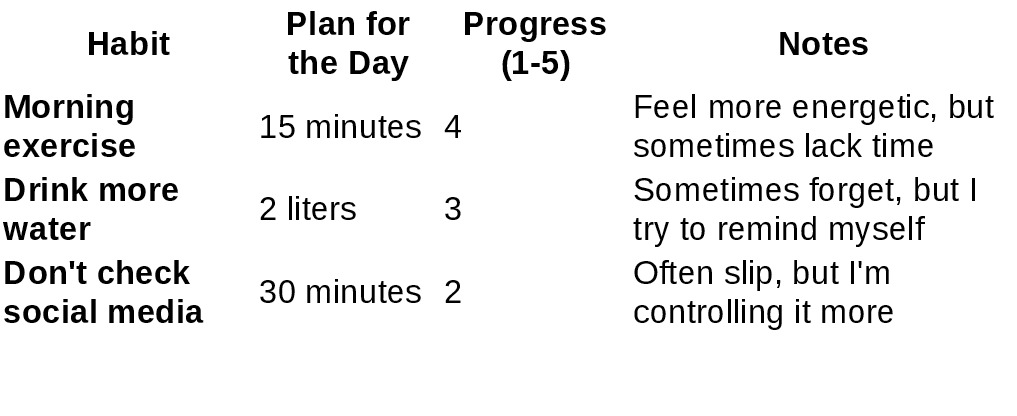
The 30-Day Method for Creating a New Habit
The goal of this method is to help you develop a new habit in 30 days.
Instructions: Choose one new habit you want to develop (for example, reading 10 pages of a book every day). For 30 days, do this every day and record your successes and challenges in a journal. After 30 days, analyze what you’ve accomplished and decide whether to continue or adapt the habit.
Checklist:
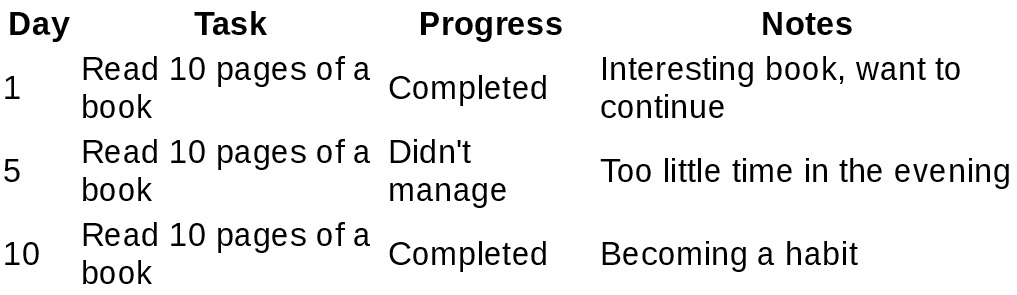
— End-of-Day Reflection. Analyzing Your Behavior for the Day and Identifying Patterns.
Every day, before going to sleep, take 5—10 minutes for reflection. This helps you see which habits you displayed and what changes you were able to make.
Reflection Checklist:
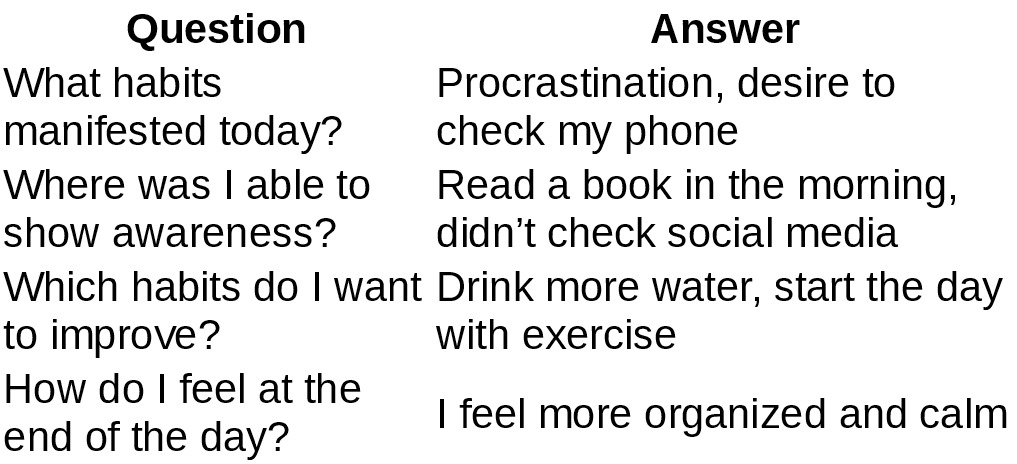
To effectively control habits, it’s important to be mindful of your actions. These practices will help you identify repeating patterns and start managing them, gradually changing them into more productive and beneficial ones.
All of the above, including the suggested practices and techniques, are designed to help you understand yourself. It’s about the feeling: «I see how I act. I know my habits. And I have the opportunity to live differently.» And when you close the book for the day, release all tension, all the familiar scenarios, and simply stay with yourself. Imagine that your habits are quiet pathways in the forest of your life. Today, you’ve only noticed them, seen their bends and turns. Tomorrow, you can walk along them differently — gently and mindfully — or discover new paths you hadn’t even imagined before. And in this quiet observation, in this soft attentiveness, true freedom begins: the freedom to live your life consciously, with warmth toward yourself and love for every moment. And then, as you close your eyes before sleep, you don’t just remember the day; you observe it, learn from it, and gently plan how small pauses and new choices tomorrow will turn familiar scenarios into new stories.
Chapter 3. The Brain and Automatic Reactions
Imagine your brain as a vast, dense forest. Each path within it is a route that your thoughts, habits, and reactions follow again and again. The more often you walk down a particular path, the deeper it becomes, the easier it is to walk. And then, one day, you notice: sometimes you seem to get stuck in these paths, walking them without even thinking, even though you actually want to take a turn into a different forest, to discover new routes. Each of your reactions, every surge of irritation or anxiety, is a trace of your neural habit. When someone says something unpleasant to you sharply, your body tenses, your thoughts rush ahead, emotions flare up — and all of this happens almost instantly, without your conscious involvement. It’s not because you’re «bad» or «can’t control yourself.» It’s because your brain has built deep trails where the energy of your reaction habitually flows.
Imagine a woman who faces criticism at work every day. Inside, she feels the familiar tightness in her chest, irritation, a desire to withdraw or respond sharply. She does this again and again because her brain has learned this path. But if she stops for a moment, notices these sensations, and gives herself a small pause, she’ll see: the reaction doesn’t control her — she can observe it and make a different choice. The same happens with any of us. When we «get stuck» in a habitual reaction, it’s just a neural path the brain has forged many times over. And just as old paths can be replanned, new ones can be created. Every time you notice a reaction, stop, and observe it — you’re carving out a new, softer trail in your forest. In everyday life, this shows up in all the little things: when someone cuts you off in traffic, when your boss says something unpleasant, when a loved one unintentionally hurts your feelings. The automatic reaction arises on its own, but you can become the observer. You notice how your body tightens, what thoughts arise, what emotions flare up. And it’s in this observation that freedom emerges: the freedom to not «explode,» to not «go on autopilot,» but to gently choose how to act.
That’s why it’s worth trying a simple practice — observing your habitual reactions to stress and irritation. Not to fix yourself or «become perfect,» but to notice these paths, to understand how they’ve been forged, and where new routes can be made. With each such observation, the old neural paths gradually lose their power, and the new ones become more noticeable, wider, and softer. Your life is the forest of your habits and reactions. And the more attentively you look, the more often you notice your automatic responses, the clearer it becomes: you can walk through this forest differently, step by step, gently and consciously, choosing new paths, new reactions, new stories for yourself. Imagine your friend. He’s on the subway, late for an important meeting. The crowd, the noise, someone suddenly bumps his shoulder. The first thing that arises inside — the familiar irritation, a surge of frustrated energy, thoughts like arrows: «Why is everyone in such a hurry? Why is this happening to me?» Normally, he would immediately start grumbling, frowning, maybe snapping at the people around him. But today, he decides to observe himself. He feels how his body tenses, how his breathing quickens, how his palms slightly tighten around the handle of his bag. He notices these sensations, as if he’s looking at them from the outside, like small waves on the surface of water. Thoughts still flash, emotions pulse, but Ivan doesn’t rush into the automatic reaction. He simply notes: «Here it is, the familiar reaction I know so well.» A few seconds pass — and in this small gap, freedom appears. He takes a breath, slightly slower than usual, and notices: the world around him hasn’t changed, the situation is the same, but his It is moments like these — small, almost imperceptible — that become turning points. Each time you notice how your brain «triggers» a familiar reaction, you’re laying down a new path. It may be short and quiet: just a breath, acknowledging a feeling, noticing a thought. But over time, these new routes become noticeable and stable. Imagine that the entire day is the forest of your reactions. And every time you observe an automatic response instead of blindly following it, you leave a soft trace: here was freedom, here was choice. Over time, the old paths of irritation and stress become less deep, while new ones grow wider, softer, full of possibilities. In this forest of your habits, there is no judgment, no pressure. There is only you, your observations, and small decisions — step by step, day by day — gently paving new routes, new stories, new reactions. And it is in this quiet, attentive observation that freedom is born.
And so the evening comes to an end, and you notice how the day has passed. Moments rise in your mind when someone said something sharp, when something didn’t go as planned, and the familiar storm of emotions arose inside. You remember these moments not with reproach, but with curiosity, as if flipping through the pages of your own book. You realize: here they are — your automatic reactions. Like old paths in the forest, which you walk again and again. And in this observation, there is already a small power hidden. You recall yourself in the moment of irritation, feel how your body tensed, what thoughts flared up, and quietly note: «Here is my usual reaction.» And now you can take a step further, gently and cautiously, like an explorer walking on new paths for the first time. You notice the moment when the reaction is just beginning to form: your breath quickens, your shoulders rise, thoughts rush ahead. You stop for a moment, take a small breath, and realize: I have a choice. I can let the emotions pass, or I can choose a new action — calmer, softer, more mindful.
It is in these small pauses that the practice lies. It doesn’t require effort or self-control. It simply allows you to be the observer, to see your patterns, and gradually change old paths into new, softer, more sustainable ones. At the end of the day, you sit in silence, and in this observation, a realization comes: old reactions are not a sentence, they are simply habits. And habits can be seen, softly studied, and transformed step by step. A small noticing of yourself in a stressful situation today is already the first stone on the road to freedom tomorrow. And when you close your eyes before sleep, you understand: each day can be lived differently, not because you need to become «perfect,» but because you are starting to notice yourself. Every moment of irritation, stress, or anxiety becomes a clue, a tool, a small chance to take a step into a new story of your life.
It is moments like these — small, almost imperceptible — that become turning points. Each time you notice how your brain «triggers» a familiar reaction, you’re laying down a new path. It may be short and quiet: just a breath, acknowledging a feeling, noticing a thought. But over time, these new routes become noticeable and stable. Imagine that the entire day is the forest of your reactions. And every time you observe an automatic response instead of blindly following it, you leave a soft trace: here was freedom, here was choice. Over time, the old paths of irritation and stress become less deep, while new ones grow wider, softer, full of possibilities. In this forest of your habits, there is no judgment, no pressure. There is only you, your observations, and small decisions — step by step, day by day — gently paving new routes, new stories, new reactions. And it is in this quiet, attentive observation that freedom is born.
And so the evening comes to an end, and you notice how the day has passed. Moments rise in your mind when someone said something sharp, when something didn’t go as planned, and the familiar storm of emotions arose inside. You remember these moments not with reproach, but with curiosity, as if flipping through the pages of your own book. You realize: here they are — your automatic reactions. Like old paths in the forest, which you walk again and again. And in this observation, there is already a small power hidden. You recall yourself in the moment of irritation, feel how your body tensed, what thoughts flared up, and quietly note: «Here is my usual reaction.» And now you can take a step further, gently and cautiously, like an explorer walking on new paths for the first time. You notice the moment when the reaction is just beginning to form: your breath quickens, your shoulders rise, thoughts rush ahead. You stop for a moment, take a small breath, and realize: I have a choice. I can let the emotions pass, or I can choose a new action — calmer, softer, more mindful.
It is in these small pauses that the practice lies. It doesn’t require effort or self-control. It simply allows you to be the observer, to see your patterns, and gradually change old paths into new, softer, more sustainable ones. At the end of the day, you sit in silence, and in this observation, a realization comes: old reactions are not a sentence, they are simply habits. And habits can be seen, softly studied, and transformed step by step. A small noticing of yourself in a stressful situation today is already the first stone on the road to freedom tomorrow. And when you close your eyes before sleep, you understand: each day can be lived differently, not because you need to become «perfect,» but because you are starting to notice yourself. Every moment of irritation, stress, or anxiety becomes a clue, a tool, a small chance to take a step into a new story of your life.
Mini-Practice: Observe Your Habitual Reactions to Stress and Irritation
Imagine that you are walking through your day as if you are in a forest full of familiar paths. Suddenly, a moment arises when someone says something sharp, or something goes wrong as you had planned. Your body tenses, thoughts flare, emotions ignite — the habitual reaction triggers automatically. But now, you are the observer. You feel your breath quicken, your shoulders rise, your palms tighten. You gently acknowledge: «Here is my usual reaction.» And in this simple observation, there is already power. You take a pause, a small breath, and realize: I have a choice. I can let the emotions pass, or I can choose a new action — calmer, softer, more mindful.
There is no need to fight with yourself or control the reaction with sheer willpower. Simply observe, feel, notice. Every time you take this step, the old paths of irritation become less deep, and the new ones become softer and wider. At the end of the day, reflect on these moments. Notice yourself, your habitual reactions, and that small pause in which choice emerged. This is the first step towards freedom from automatic behavior.
And when the day comes to a close, you sit in silence and recall your moments of irritation and stress. You see how your habitual reactions repeated, while at the same time noticing the pauses you allowed yourself — those small moments of awareness. And in those pauses, understanding is born: habits do not have power over you. The old neural pathways can be seen, gently studied, and new routes can be laid down step by step. Every day, every moment of observation becomes an opportunity to live differently. You begin to feel that your life is not a chain of automatic reactions, but a forest full of paths you can walk consciously. And in this forest, there is space for choice, for softness, for new stories that you create yourself, step by step, breath by breath, day by day.
We have specially selected for you several effective and proven practices for developing self-control and managing recurring behavioral patterns. These techniques will help not only become aware of the reasons behind habitual mistakes but also gradually change behavior, minimizing the risks of their repetition. Each of the techniques presented incorporates the principles of mindfulness, analysis, and a constructive approach, which can significantly improve personal productivity and the quality of decision-making.
Technique «Mistake as a Lesson» (Reframe)
The goal of this technique is to teach you to view your mistake as an opportunity for growth, rather than a failure.
When you encounter a mistake, instead of blaming yourself or feeling sorry, stop and ask yourself several questions to understand the lessons that can be learned from the situation.
Checklist for analyzing a mistake:
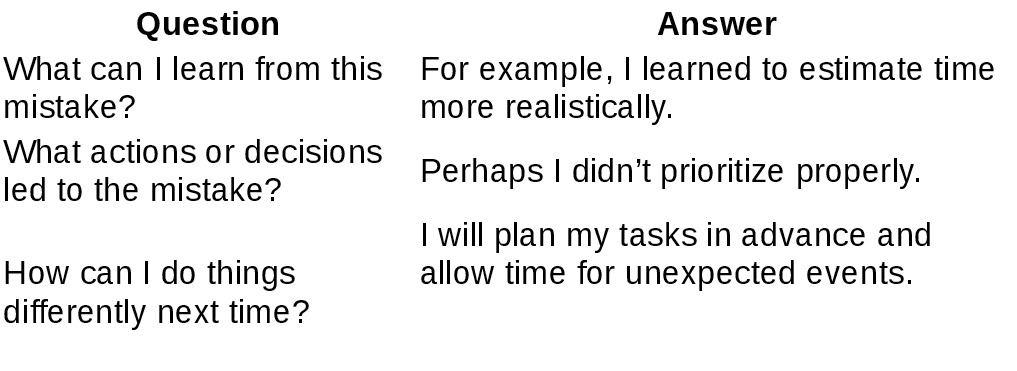
This approach helps shift the focus from negative emotions to constructive thinking, turning the mistake into a useful step toward self-improvement.
2. The «5 Whys» Method
The goal of this method is to understand the true cause of the mistake, not just its consequence.
When you encounter a mistake, ask yourself «Why?» five times in a row to uncover the deep-rooted reasons.
Example using the method:
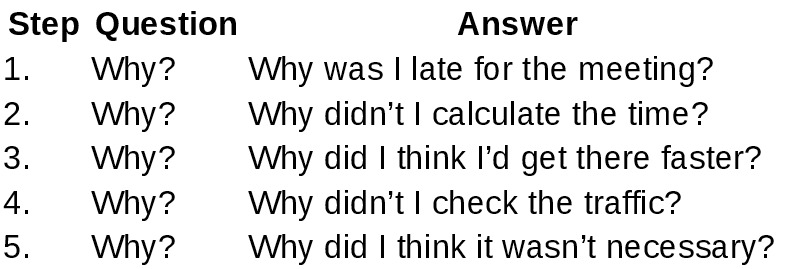
The simple conclusion follows naturally — to avoid the mistaken pattern, check the traffic before leaving to prevent being late.
This method helps identify the root cause of the mistake, not just its outward symptom. By understanding the causes, you can prevent their recurrence.
— The «Pre-commitment» Technique
— The goal of this technique is to learn how to motivate yourself to avoid mistakes.
— Declare your intention to change your behavior in advance — before you encounter the temptation to make the same mistake again. This boosts your motivation and awareness.
—
— Pre-commitment Checklist:
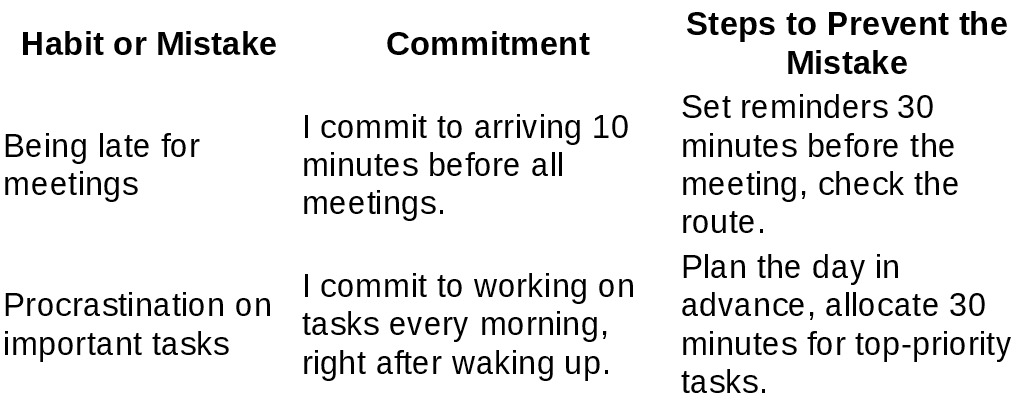
When you write down or publicly declare your goals, it creates additional motivation to not give up and to avoid falling back into old habits.
4. The «Risk Minimization» Method
The goal of this method is to reduce the likelihood of repeating mistakes by limiting their opportunities.
Take preventive measures to avoid situations that lead to mistakes. The fewer opportunities for mistakes, the less likely they are to be repeated.
Risk Minimization Checklist:
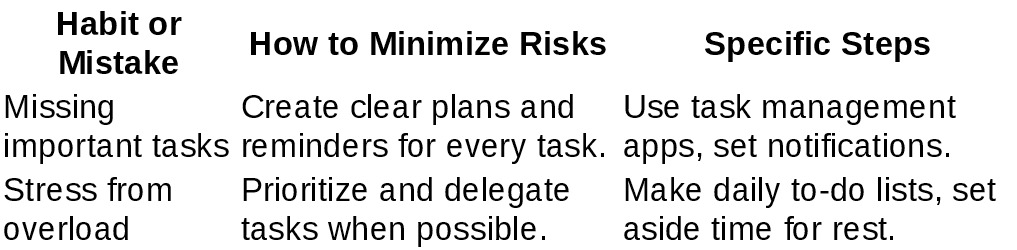
Minimizing risks helps prevent the repetition of mistakes by reducing opportunities for them to occur. Clear organization helps control and limit problems.
5. The «Ideal Version of Yourself» Method
Goal: To imagine how your ideal version would act in this situation.
Before making a decision, stop and think about how your best version would act — the version of yourself who has already achieved success and does not make the mistakes you are making now.
Ideal Version Method Checklist:
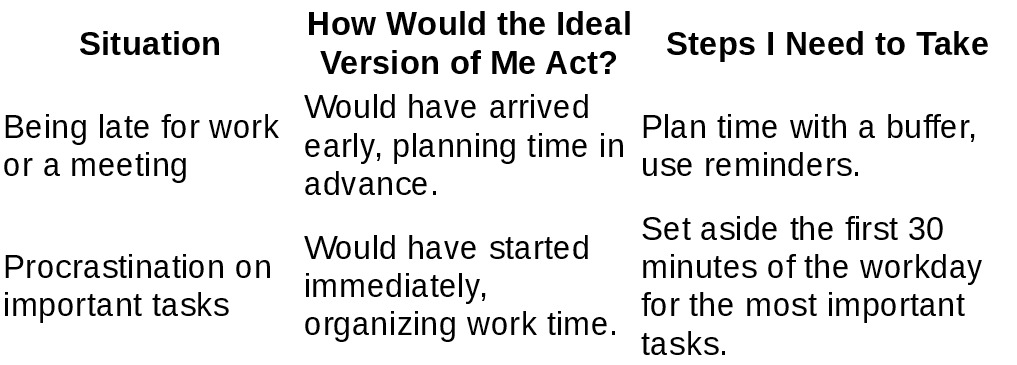
This method helps shift from problem-oriented thinking to constructive thinking based on ideal models of behavior. It helps form new habits and approaches.
Each of the techniques presented helps not only to understand why you repeat the same mistakes but also to consciously approach changing your actions. The «Mistake as a Lesson» method helps you find the constructive grain in every negative experience. The «5 Whys» method helps identify the root cause of problems, while the «Pre-commitment» method increases personal responsibility. Risk minimization and «The Ideal Version of Yourself» offer practical ways to prevent mistakes and create new effective habits. Constant use of these techniques will help you not only avoid repeating mistakes but also create more productive, conscious behavioral patterns step by step.
Chapter 4. Emotions as the Fuel for Your Actions

Emotions are invisible fires that ignite inside us. Sometimes they are warm and gentle, like a candle in a cozy room, and other times they are bright and sharp, like a flash of lightning in the night sky. And almost always, we feel them before we begin to think. First, the heart beats faster, the breath quickens, the palms clench — and the mind is just trying to catch up: «What is happening? Why am I reacting this way?» This is precisely why emotions shape our habits so strongly. They don’t ask for permission, they don’t wait for conscious decisions. They act immediately, leaving traces in our brains. Every time you react to irritation, fear, or joy, you fuel invisible pathways inside yourself. And over time, these paths become deep and strong, paving the way for future reactions.
Imagine emotions as the fuel for your inner vehicle. If you ignite the familiar emotion of irritation, the vehicle tears down the familiar road — you react again, rush again, feel the tension again. But if you notice the emotion and observe it like wind blowing past you, you begin to drive this vehicle differently. The paths remain, but now you have the chance to choose the direction. In everyday life, this manifests everywhere: at work, at home, on the road. When a boss suddenly says something unpleasant, the emotion of irritation flares up instantly. When a loved one hurts you, fear or anxiety rises, and thoughts try to build defensive scenarios. And almost always, we follow the well-worn paths because emotions are stronger than the mind, they are quicker, they are more alive. But simply noticing these emotions is already practice.
For example, you’re walking down the street and irritation suddenly flares up: someone bumps into you, the sound of a car irritates you unexpectedly. The familiar reaction arises inside: tension, irritation, the desire to retreat. You just observe it: feel the tension in your body, listen to the thoughts that flare up, and gently note: «Here is my emotion, here is my usual reaction.» It is in this observation that the fuel for conscious choice appears. The emotion itself is not the enemy. It sends a signal, showing where your familiar paths are leading. And now, you can decide: follow the old path or try a new route, one that is gentle, attentive, and mindful of yourself.
Emotions — The Invisible Conductors of Your Life
Emotions are like invisible conductors, directing the orchestra of your life. They play the strings of your thoughts, bodily sensations, and habits. You might be sitting at work thinking you’re making rational decisions, while, in reality, inside you, the music of emotions — joy, fear, irritation, or anxiety — is playing. And it is this music that shapes your habitual patterns. Think about how often you’ve noticed that the decision to «hurry» or «go into defense mode» arises instantly, even before your brain has time to provide a logical argument. Why does this happen? Because the brain likes to save energy and use familiar pathways, and emotions are the fuel that lights those pathways. The stronger the emotion, the faster you follow the old path, like walking down a well-trodden road, not noticing any alternatives.
Imagine a lovely woman. She receives a message from a colleague: «Do this faster.» And immediately, a storm of emotions arises inside her — a mix of irritation and anxiety. In the past, she would have clenched her teeth, rushed to get the job done, possibly responding with irritation to every comment. But today, she notices: her body tenses, her breath quickens, and her thoughts spiral into the usual pattern. She takes a small breath and simply observes. The emotion is there, but it doesn’t control her. She can choose: respond calmly, pause, or even smile at herself, realizing that the fuel of emotion is there, but the direction of the path — that’s her choice.
These moments — golden points of awareness — are key. They don’t require willpower; they require attention. The emotion itself is not the enemy; it is a compass that shows where your familiar routes lead. And if you learn to observe these signals, you can use them as fuel for new, conscious movement, instead of relying on your habitual autopilot. And here comes the gentle but powerful conclusion: emotions don’t need to be suppressed or repressed. They need to be noticed, felt, understood, and then you can choose the path you want to walk. And the more often you do this, the more the energy of emotions works for you, rather than against you.
Mini-Practice: Observe Emotions as the Fuel for Actions
Imagine you’re walking down your familiar reaction path, and suddenly irritation, anxiety, or fear flares up inside. Notice where the tension is felt in your body — your shoulders, chest, stomach, or hands. Listen to the thoughts that accompany the emotion. Don’t rush to act. Take a small breath. Imagine that the emotion is the fuel propelling your inner vehicle. And now you decide: will I drive down the old road of habitual reaction, or will I gently veer onto a new route? You’re not changing the emotion, you’re simply noticing it and using its energy consciously. Each time you take this step, old habits become less automatic, and new ones become softer, wider, and more resilient.
Sometimes, we only notice our habits after the fact: we’ve already acted, already reacted, already walked down the old path. But what if you take a small step back and try to see what triggers these habits from within? What if you start by observing your emotions — those invisible flames that ignite your automatic reactions? This practice will help you gently look into the source of the habit and understand: what exactly sparks the old paths in the forest of your behavior.
Practice: «Track the Emotions that Trigger Your Habit»
Imagine you’re going through your day like you’re following a familiar route. At first, everything seems normal — the usual tasks, the usual thoughts. Then, something flares up inside: irritation, anxiety, fatigue, excitement. And suddenly, the usual reaction is ready to kick in — the habit of reaching for your phone, saying something sharp, eating something «to calm down.» But now, you are a mindful observer. You gently ask yourself, «Which emotion arose just before this action?» You feel your body: where is the tension, where is the tightness, where has your breath quickened? You listen to your thoughts: what is the habit whispering, what internal story is playing out?
You don’t try to stop the habit forcefully. You simply note the connection: «Here is the emotion, and here is the habit that follows it.» You can even jot it down in a short note in your notebook: emotion — habit — reaction. With each observation like this, you begin to see patterns. You notice that irritation often triggers one habit, anxiety another, joy a third. And in this discovery lies the key: when you notice the emotion in advance, you can gently choose how to use its energy, rather than automatically following the old path.
More Practical Exercises for Self-Control
Here are several important practical exercises for self-help that will help you become aware of your emotions and learn how to manage them. All exercises are aimed at developing mindfulness and understanding how emotions influence behavior and actions. An important aspect of these exercises is the conclusions you can draw from completing them and how they can benefit your long-term practice of self-control.
Practice «5-Step System for Self-Control»
Goal: No matter what stressful or emotional situation you find yourself in, take these 5 steps before reacting:
— Step 1: Stop and take a deep breath.
— Step 2: Acknowledge your emotions: «I feel…» (anger, disappointment, joy, anxiety, etc.).
— Step 3: Ask yourself: «Why do I feel this way?» Find the source of the emotion.
— Step 4: Make a conscious decision about how you will respond (choose your reaction).
— Step 5: Assess the consequences of your actions, if possible — after the situation has passed.
This exercise helps you develop the habit of slowing down your response to emotional stimuli and allows you to choose more measured and rational reactions. It helps foster emotional maturity and control.
Practice «Emotional Journal»
Keep a journal in which each day you write about important events that provoke strong emotions and your reactions to them. For each entry, try to answer the following questions:
— What emotions did I experience in response to this event?
— Why did this particular situation trigger such a reaction?
— How could I have reacted differently to achieve better results?
— What impact did my reaction have on myself and others?
This journal helps track your emotions and reactions to them. It teaches reflection and self-control, allowing you to understand which situations trigger strong emotions and how to handle them effectively in the future.
Practice «Modeling Reactions»
Imagine you are in a difficult emotional situation, and think about different ways to react. For example, if you are extremely angry, imagine three different ways you could respond:
— Option 1: Angry reaction — shouting, harsh words.
— Option 2: Calm reaction — deep breath, pause, awareness of the situation.
— Option 3: Reaction based on decision — a constructive approach, problem-solving.
Think about which option would be the most effective in each situation. This exercise teaches you to think about the consequences of different reactions and helps develop more calm, mature responses to stressful situations.
Practice «Shifting Focus»
In moments of intense emotion, such as when you are irritated or upset, try shifting your focus to something neutral or pleasant. To do this:
— Think of something that brings you joy, interest, or peace.
— Use it as a «button» for quickly relieving stress: consciously choose to focus your attention on a different object or thought right from the start.
This exercise helps develop the ability to quickly move out of negative emotional states, preventing emotions from taking over. It is a self-regulation skill.
Practice «Shifting Perspectives»
When you feel strong emotions about a situation (for example, hurt or anger), imagine yourself in the other person’s shoes. Ask yourself:
— Why is this person behaving the way they are?
— What might have influenced their behavior?
— How does this behavior look from the other person’s perspective?
This exercise develops empathy and helps reduce the intensity of your own emotions by providing a new perspective on the situation. It lowers stress levels and allows for more constructive relationships.
Practice «Pause Before Action»
Before doing anything in an emotionally charged situation (such as responding to an aggressive comment or reacting to criticism), give yourself 30 seconds to simply do nothing.
— Take a deep breath.
— Observe your feelings and thoughts.
— Ask yourself: «Is this really important to me?»
This exercise helps you learn to give yourself space for reflection before taking action. Instead of reacting impulsively, you learn to control your responses and choose a more conscious approach.
Practice «Future Reflection»
Imagine yourself in the future, after successfully managing your current emotional challenges. How do you feel? What results have you achieved by learning to control your emotions?
— Write about how you see yourself in 6 months or a year if you regularly work on controlling your emotions.
— How will your life, work, and relationships with others improve?
This exercise helps you focus on the long-term perspective and understand the benefits of working on yourself. It strengthens motivation and reinforces the importance of self-control.
Each of these exercises helps not only to better understand your emotions but also to gradually develop self-control skills. In practice, such activities will help you improve your emotional health, increase personal effectiveness, and build better relationships with others. As you close this chapter, you realize one simple yet important thing: emotions are not enemies, and habits are not a sentence. They are the fuel and the pathways that guide you through the forest of your life. Sometimes they are strong and familiar, sometimes gentle and barely noticeable, but they always leave a trace behind. Every emotion you notice, every habit you pay attention to, becomes your tool. Not for fighting with yourself, not for judgment, but for gentle, mindful choice. You begin to see: old paths can be restructured, and emotions can be used as energy for a new path. And in this observation, freedom is born. Small, quiet, but real freedom — to live day by day not on autopilot, but consciously, with warmth towards yourself and attention to every moment. Every time you stop, take a small breath, notice an emotion, and choose a new reaction, you are paving your unique path in the forest of life. And these paths become the way to live differently — gently, attentively, and truly freely.
Chapter 5. Mindfulness — A Tool for Transformation
Бесплатный фрагмент закончился.
Купите книгу, чтобы продолжить чтение.